Domestic Tour Details
KASHMIR
Overview
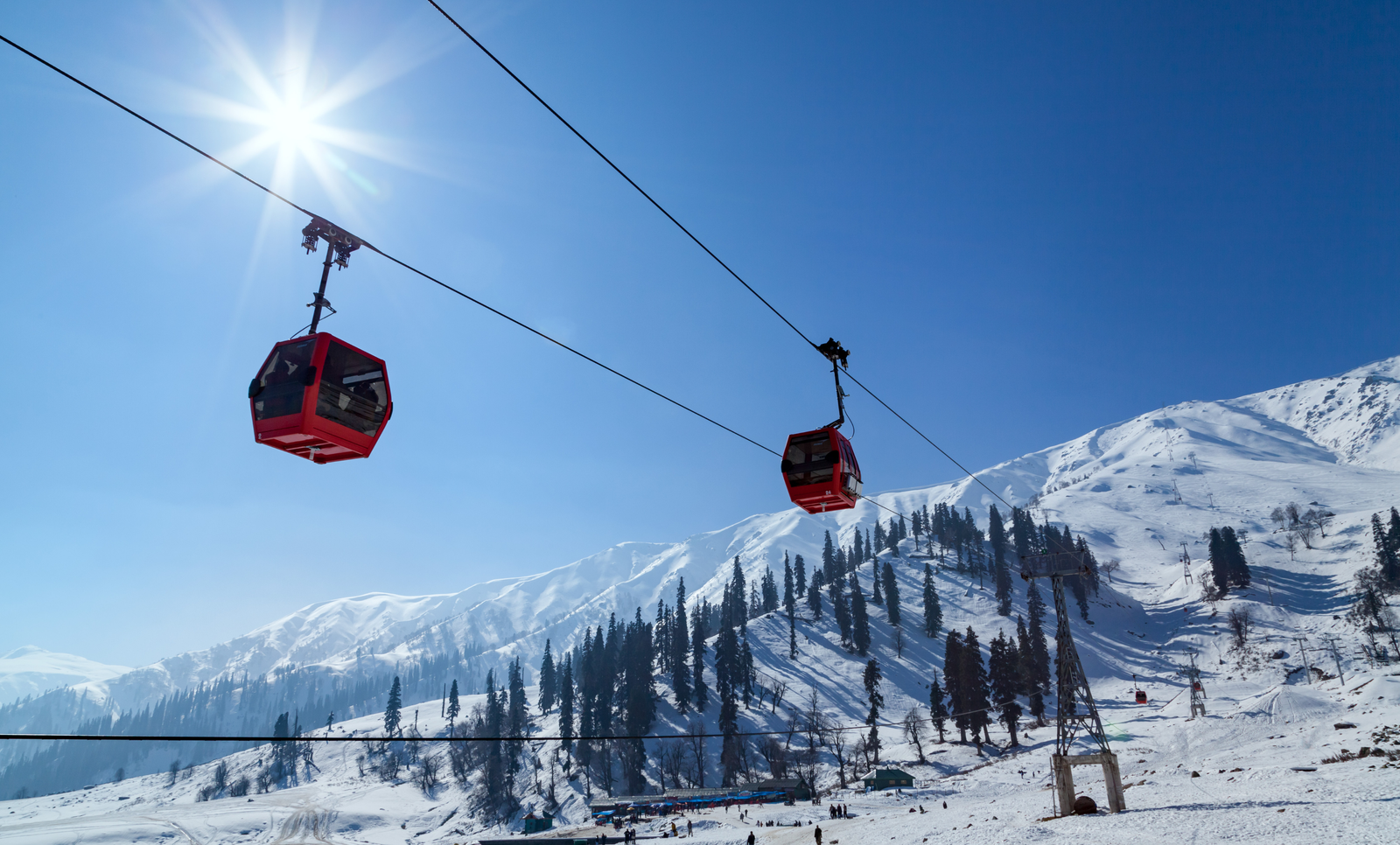
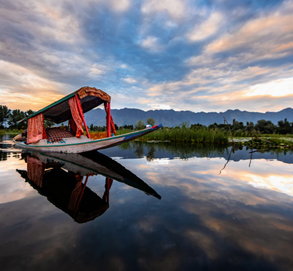
Kashmir is a beautiful region located in the northern part of India and is surrounded by the Himalayan mountain ranges. It is widely known for its natural beauty and pleasant climate and is often called the “Heaven on Earth.” The region has snow-covered mountains, green valleys, and beautiful lakes that attract tourists from all over the world. Dal Lake in Srinagar is very famous for its shikara boat rides and scenic views. Kashmir is also known for apple orchards, saffron cultivation, and traditional handicrafts. Pashmina shawls made here are famous worldwide. Gulmarg is a popular hill station and a major destination for skiing and winter sports. The cool and refreshing climate makes Kashmir an important tourist place throughout the year.
Top Highlights
Kashmir is a beautiful region located in the northern part of India and is surrounded by the Himalayan mountain ranges. It is well known for its scenic beauty, snow-covered mountains, green valleys, and peaceful environment. The region has a pleasant climate and attracts tourists throughout the year. Kashmir is also rich in culture, handicrafts, and natural resources. Due to its natural charm, it is popularly called the “Heaven on Earth.”
- Srinagar is famous for Dal Lake and shikara boat rides
- Gulmarg is known for snowfall and skiing activities
- Pahalgam is popular for valleys and rivers
- Sonamarg offers beautiful glacier views
- Kashmir is famous for apples, saffron, and pashmina shawls
- Gulmarg Apharwat Mountain
Gallery
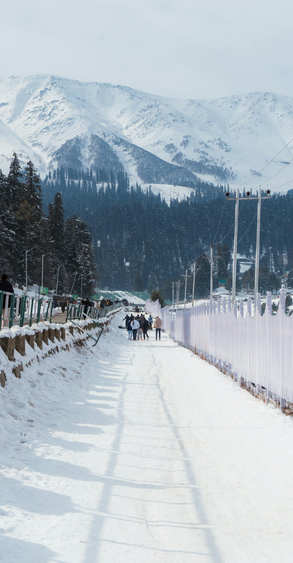
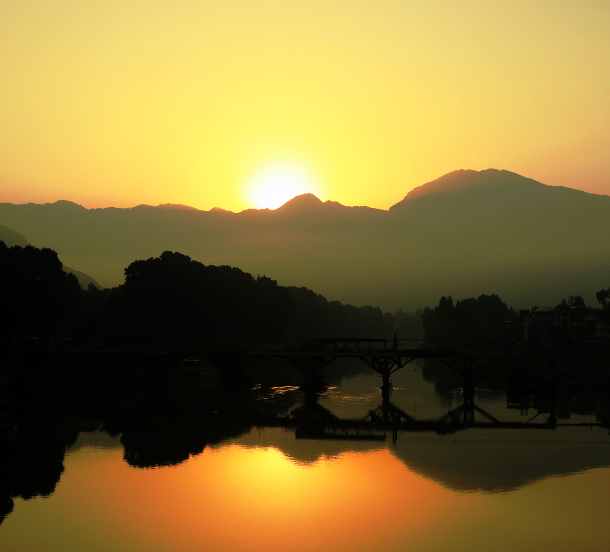
Kashmir is a beautiful region located in the northern part of India and is surrounded by the Himalayan mountains. It is popularly known as the “Heaven on Earth” because of its stunning natural beauty. Snow-covered peaks, green valleys, and serene lakes make the region attractive. Famous places like Dal Lake, Gulmarg, and Pahalgam draw tourists throughout the year. Kashmir is also known for its rich culture, handicrafts, apples, and saffron.

ANDAMAN
Overview
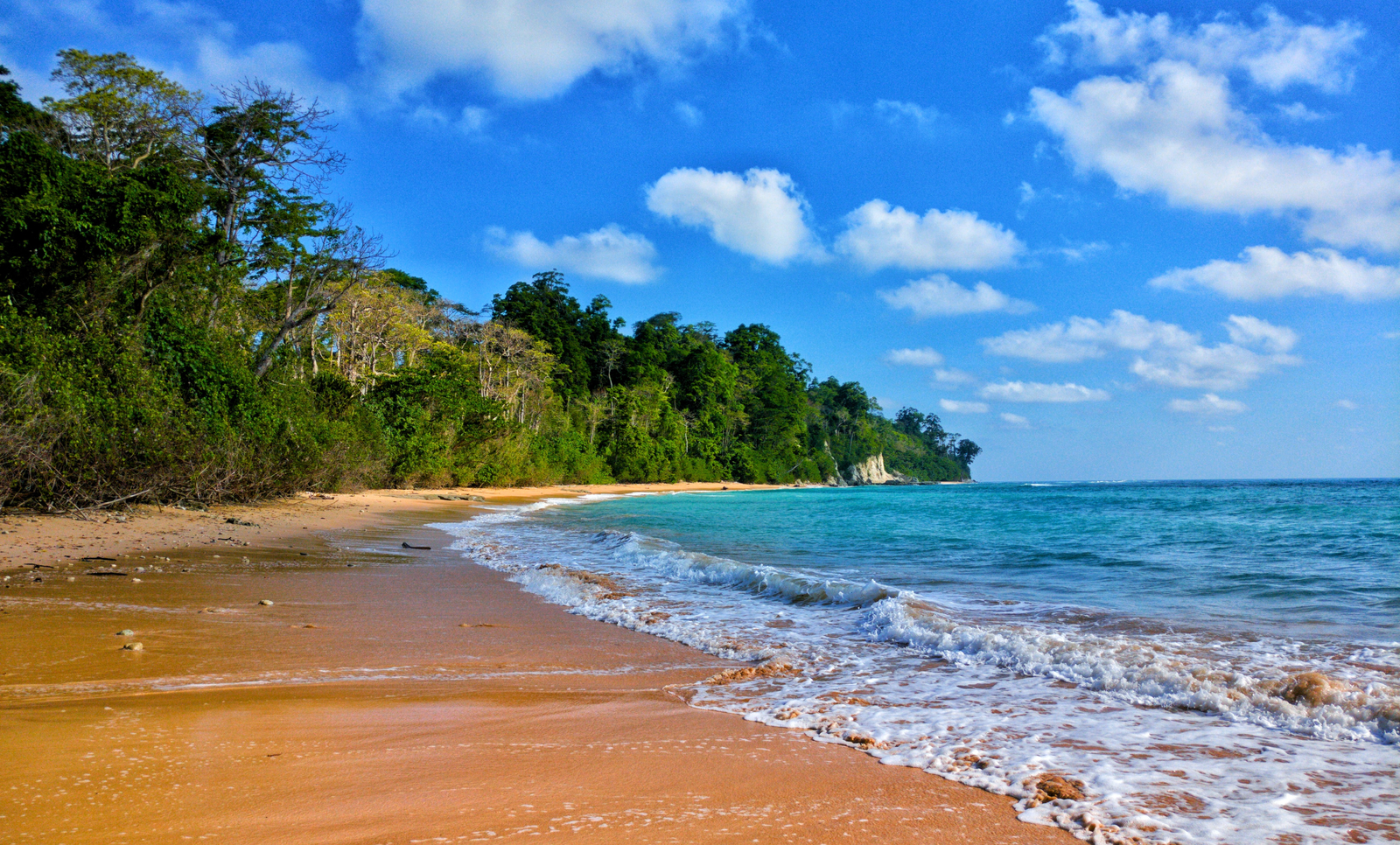
The Andaman and Nicobar Islands is a Union Territory of India located in the Bay of Bengal, closer to Southeast Asia than mainland India. It lies about 1,200 km from Chennai and consists of 572 islands, of which around 37 are inhabited..
Top Highlights
The Andaman and Nicobar Islands is a beautiful Union Territory of India located in the Bay of Bengal. It is known for its stunning beaches, clear blue waters, dense forests, and rich marine life. The islands are historically important because of the Cellular Jail, which played a major role in India’s freedom struggle. Tourism is the main source of income, with popular attractions like Radhanagar Beach, Havelock Island, and Barren Island. Overall, the Andaman and Nicobar Islands is a unique destination famous for its natural beauty, historical significance, and peaceful environment.
- Port Blair
- Radhanagar Beach
- Havelock Island
- Neil Island
- Barren Island
Gallery
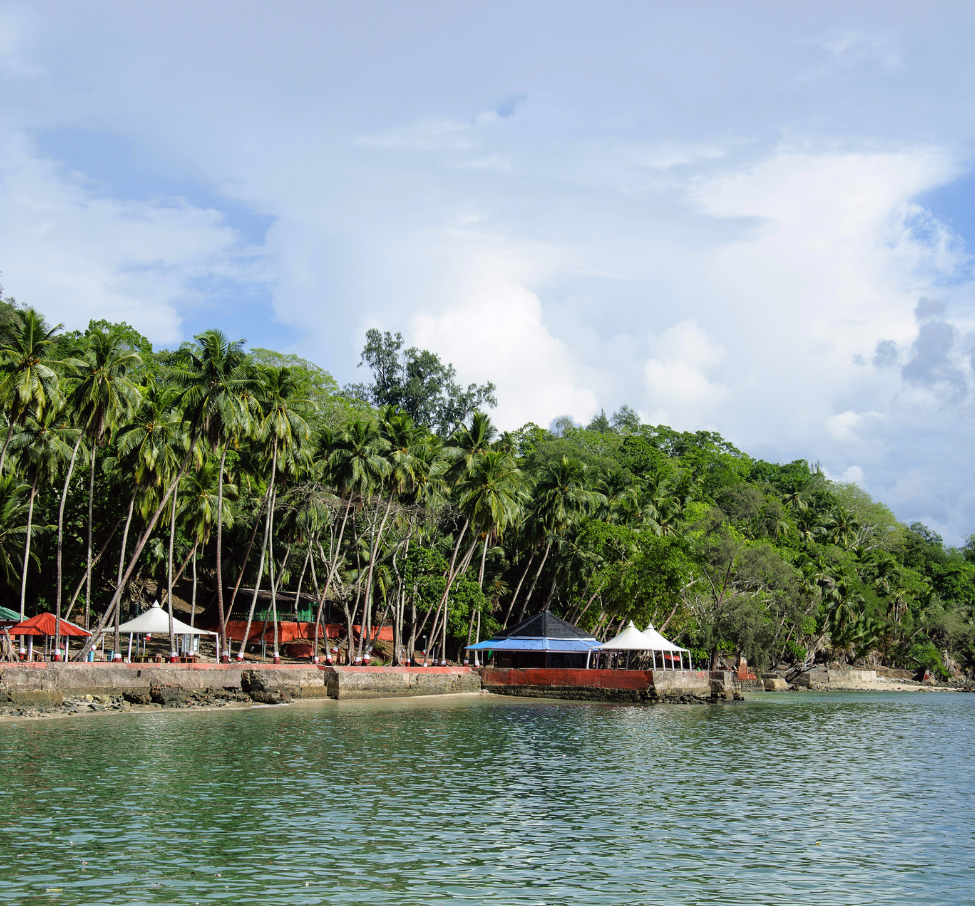
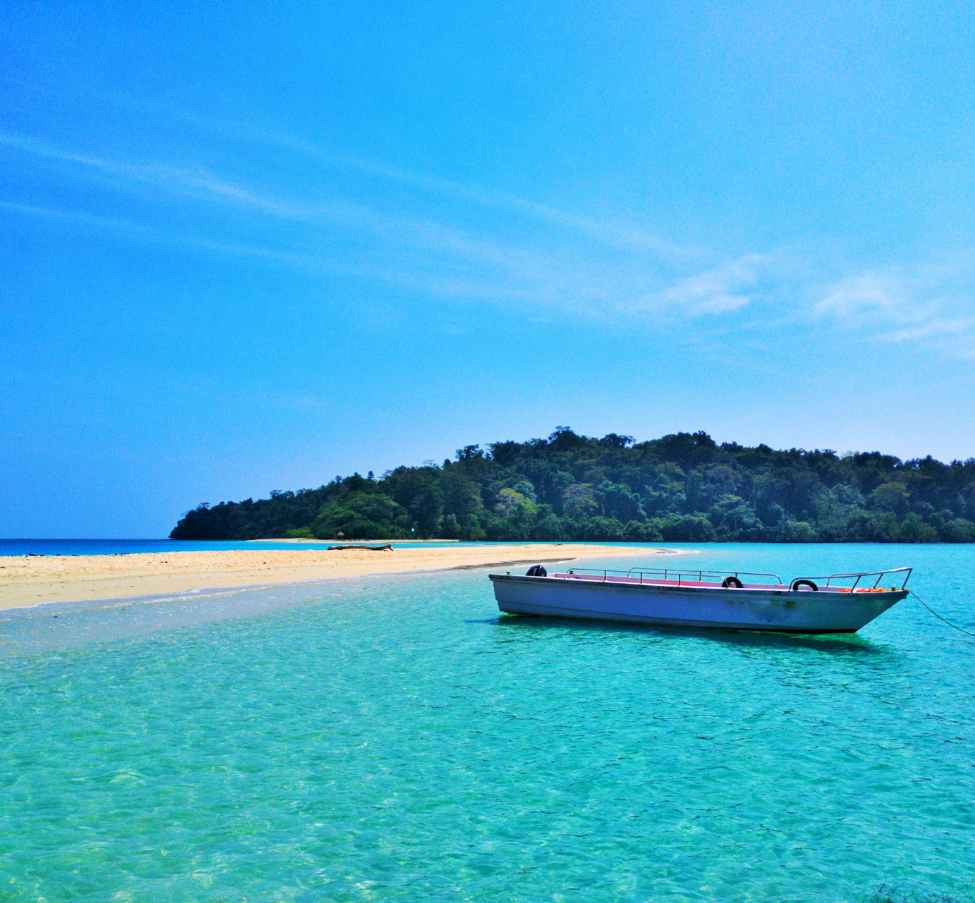
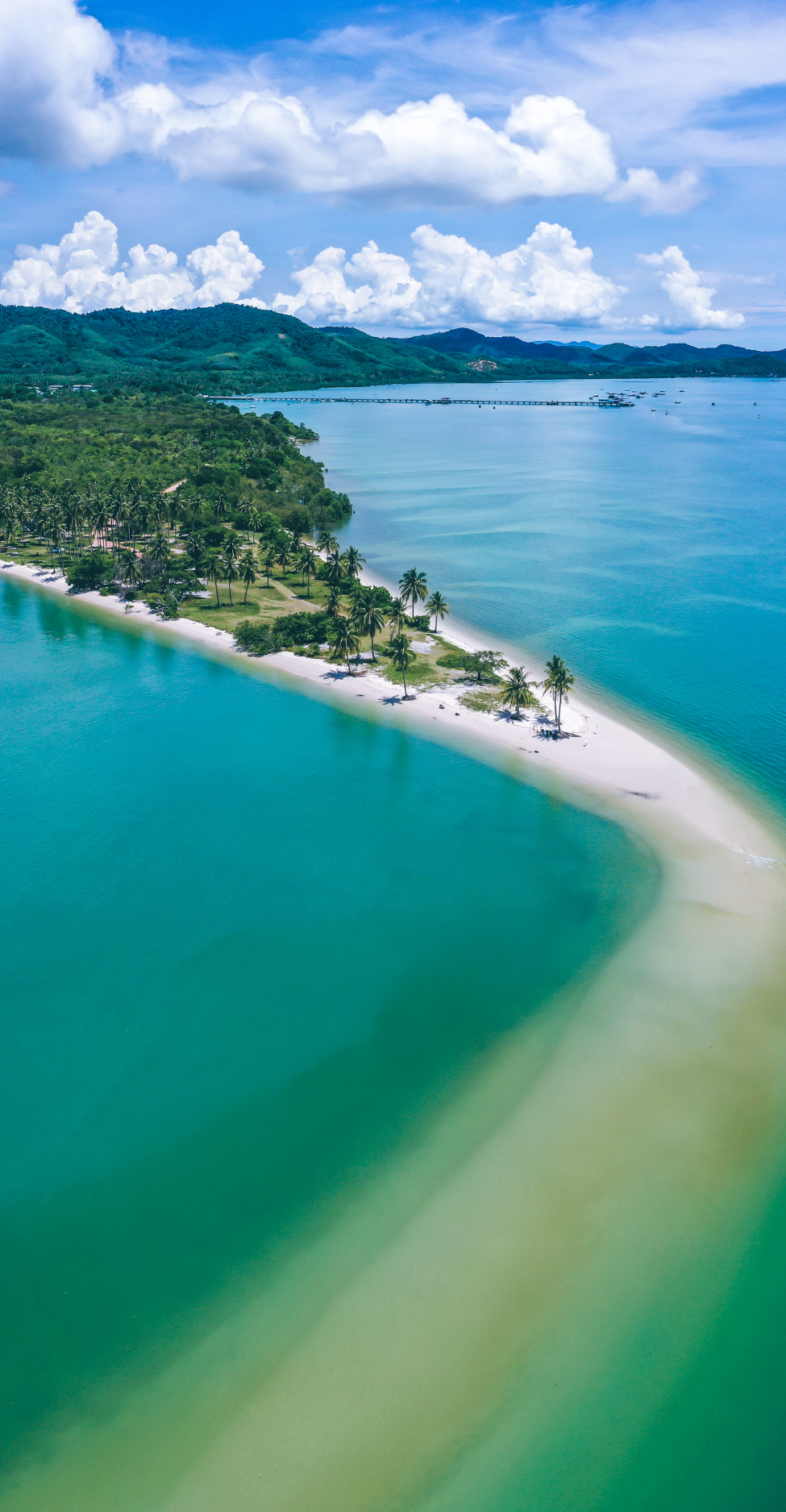
The Andaman and Nicobar Islands is a group of islands located in the Bay of Bengal and is one of the most beautiful Union Territories of India. It consists of many small islands surrounded by clear blue waters and rich marine life. The islands are famous for their natural beauty, peaceful environment, and historical importance. The Cellular Jail in Port Blair reminds us of India’s freedom struggle. Tourism, fishing, and agriculture are the main economic activities. Overall, the Andaman and Nicobar Islands is known for its scenic landscapes, adventure activities, and cultural diversity.
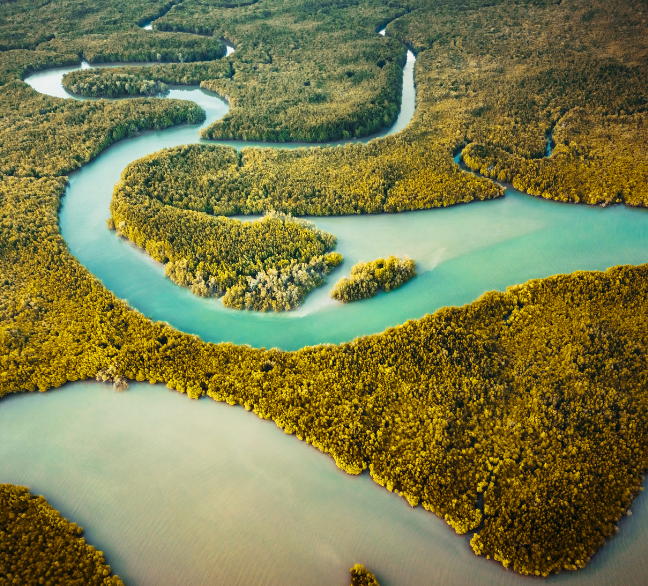
ASSAM & MEGHALAYA
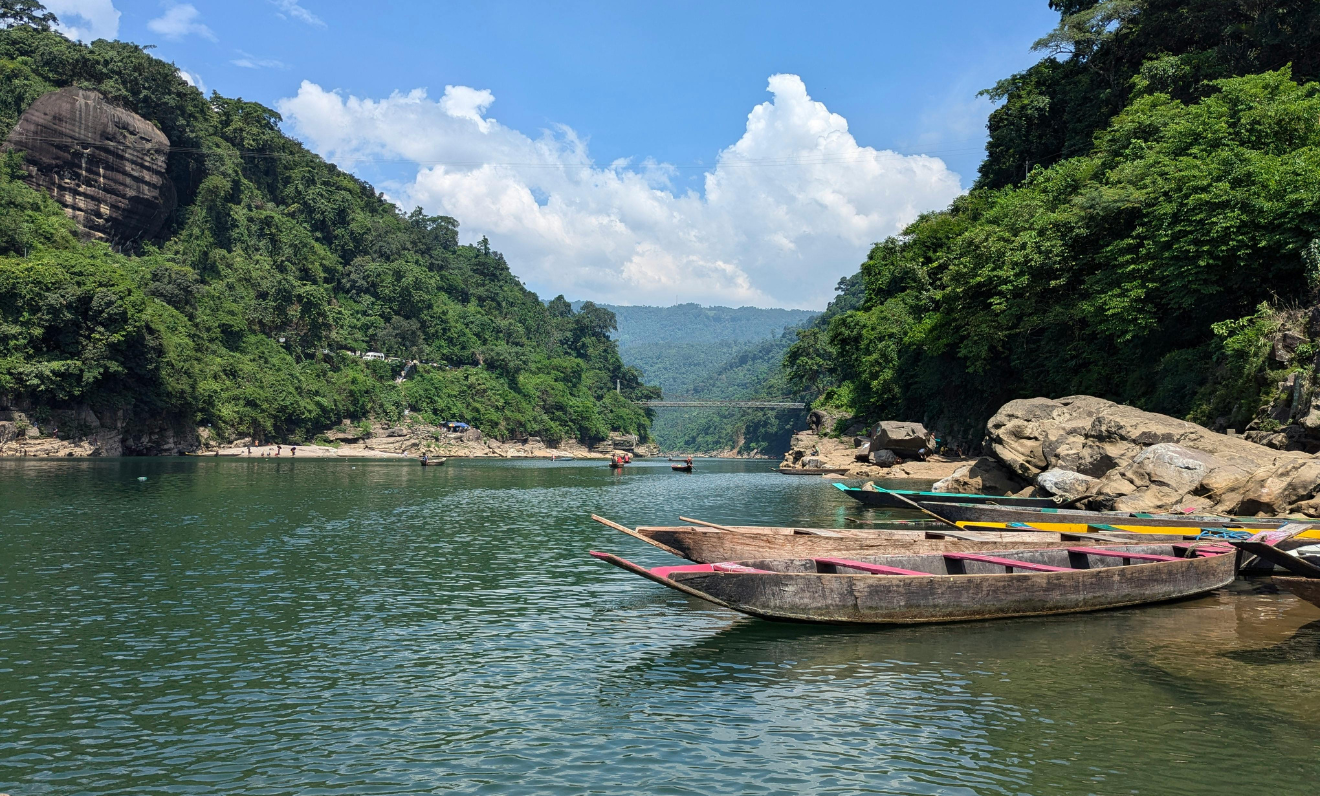
Overview
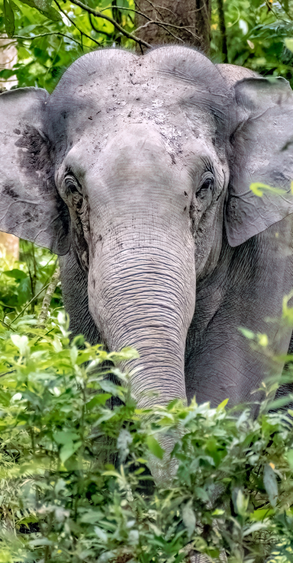
Tourism in Assam provides significant economic benefits by generating income and creating employment opportunities for local people in areas such as hospitality, transport, handicrafts, and tea tourism. It helps in the preservation and promotion of Assamese culture, traditions, festivals, and historical monuments. Tourism also supports environmental conservation through wildlife tourism in national parks like Kaziranga and Manas, which encourages the protection of forests and endangered species. In addition, tourism leads to the development of infrastructure such as roads, airports, hotels, and communication facilities, contributing to overall regional developmen
Top Highlights
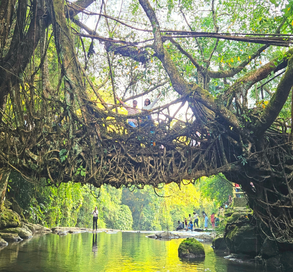
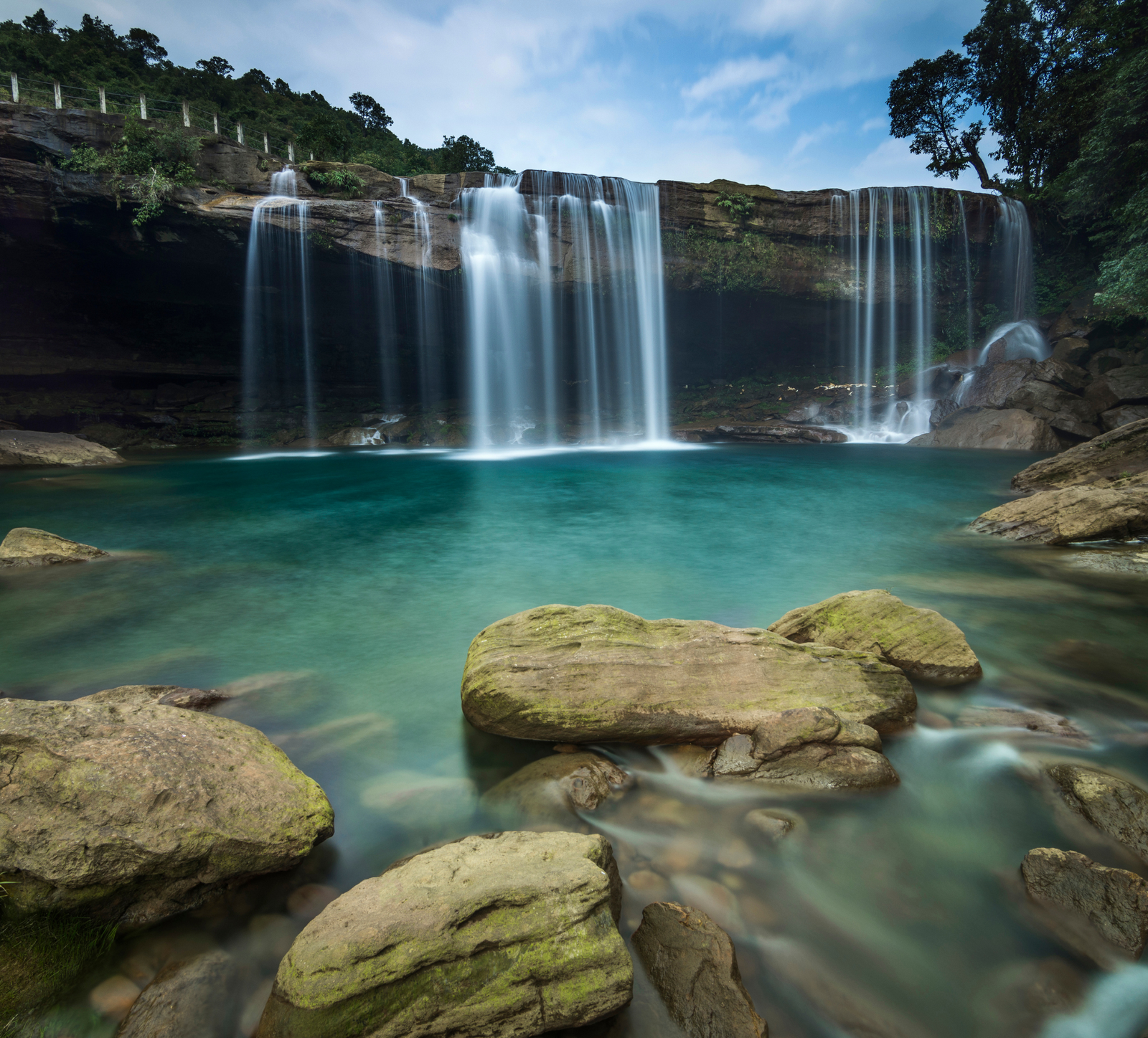
Tourism in Meghalaya plays an important role in the economic development of the state by providing livelihood opportunities to local and tribal communities through eco-tourism, homestays, and adventure tourism. It promotes the conservation of natural attractions such as waterfalls, caves, hills, and living root bridges while encouraging sustainable tourism practices. Tourism helps preserve the cultural heritage, customs, and traditions of the Khasi, Garo, and Jaintia tribes and promotes cultural interaction. It also supports rural development by improving infrastructure and reducing migration through local employment generation
- Mawlynnong Village(Asia Mawlyngong Village -Cleanest Village )
- Police Bazar
Gallery
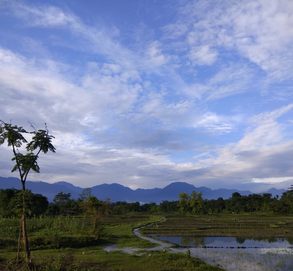
Assam and Meghalaya have many good tourist places that attract visitors because of their natural beauty, cultural heritage, and pleasant climate. Assam is known for its wildlife sanctuaries, tea gardens, rivers, and religious places such as Kaziranga National Park and Kamakhya Temple. Meghalaya is famous for its hills, waterfalls, caves, living root bridges, and scenic locations like Cherrapunji and Shillong. These tourist places promote nature tourism, adventure tourism, and cultural tourism. Good tourist places help in increasing tourist inflow, generating income, and improving the economic condition of local people. They also help in preserving natural resources and cultural heritage while promoting sustainable tourism development.
DELHI
Overview
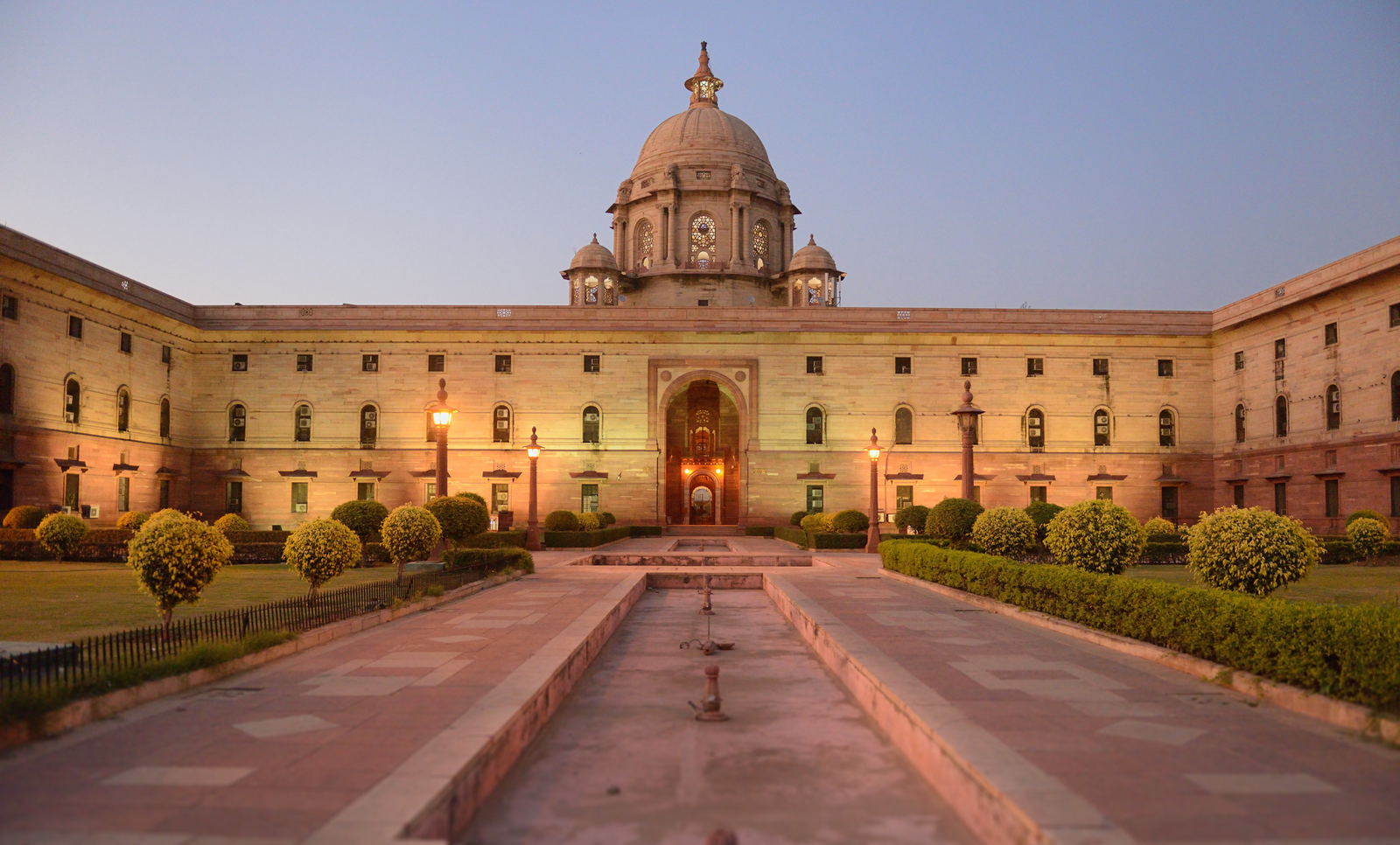
Delhi is the capital city of India and one of the country’s largest metropolitan areas. It blends ancient history, Mughal architecture, British-era landmarks, and modern infrastructure into one dynamic city. Delhi serves as the political, cultural, and commercial heart of India.
Top Highlights
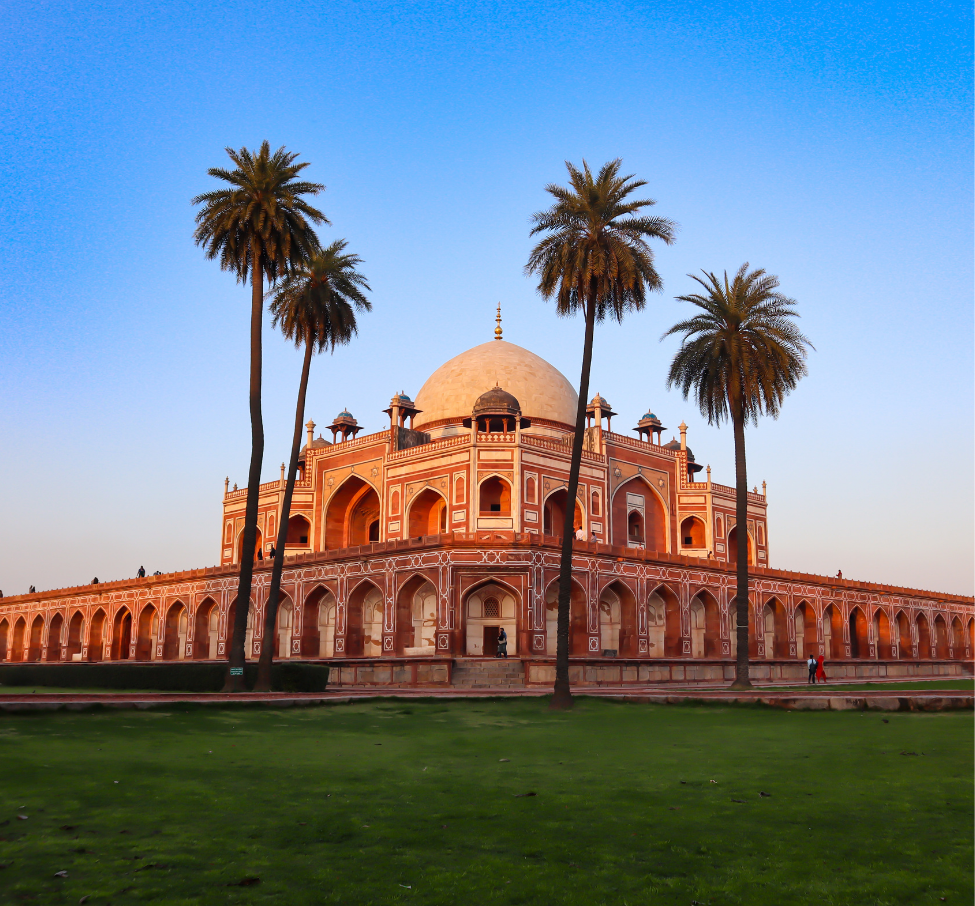
Delhi is the capital of India and a historic city that beautifully combines ancient heritage, Mughal architecture, British-era planning, and modern urban development, making it one of the most culturally and politically significant cities in the country.
- 🏛️ Home to iconic monuments like Red Fort and Qutub Minar
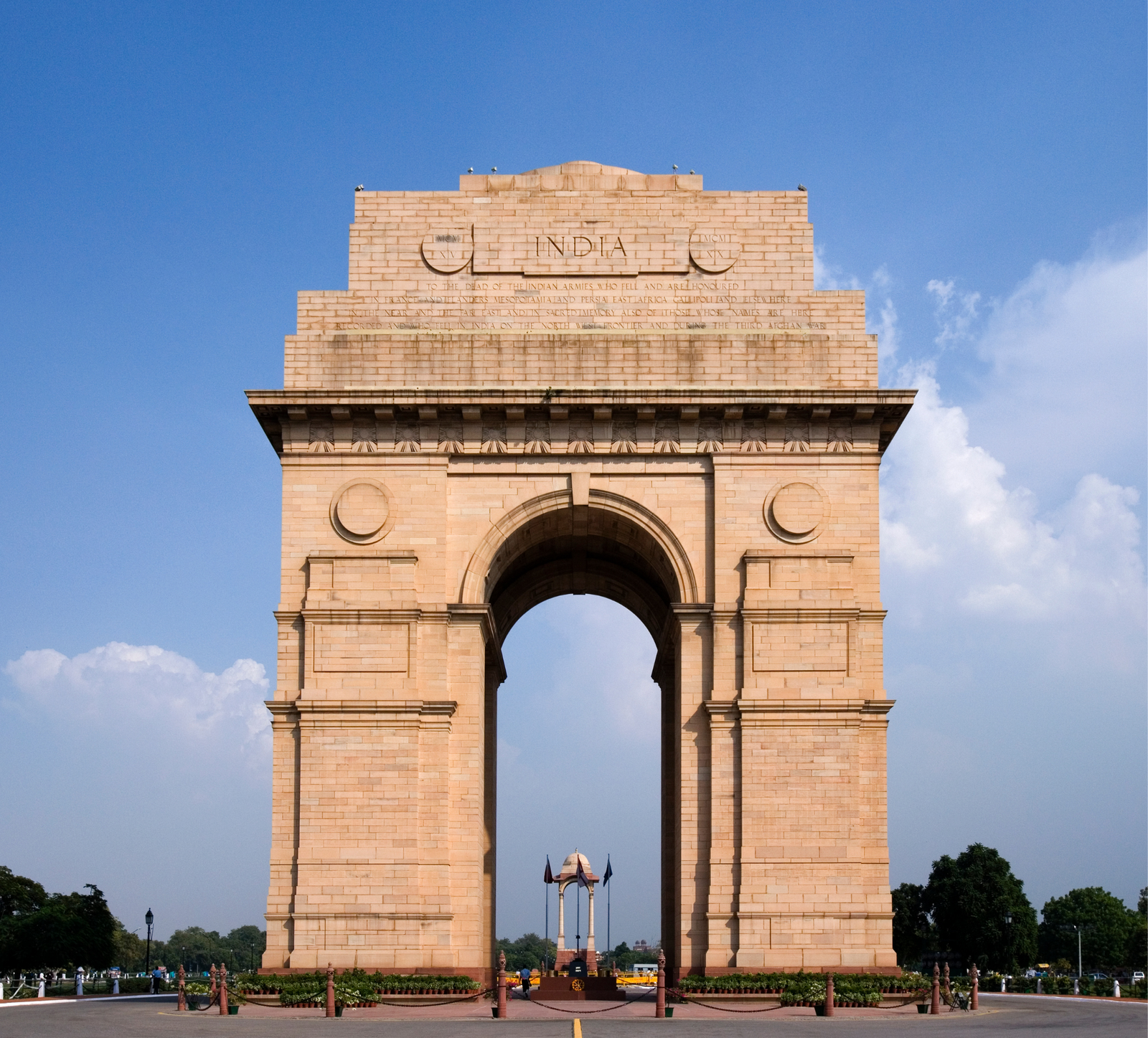
- 🇮🇳 Political center of India with India Gate and Rashtrapati Bhavan
- 🕌 Rich cultural diversity with historic sites like Jama Masjid
- 🌸 Famous spiritual attraction – Lotus Temple
- 🚇 Modern infrastructure including one of India’s largest metro networks
Gallery
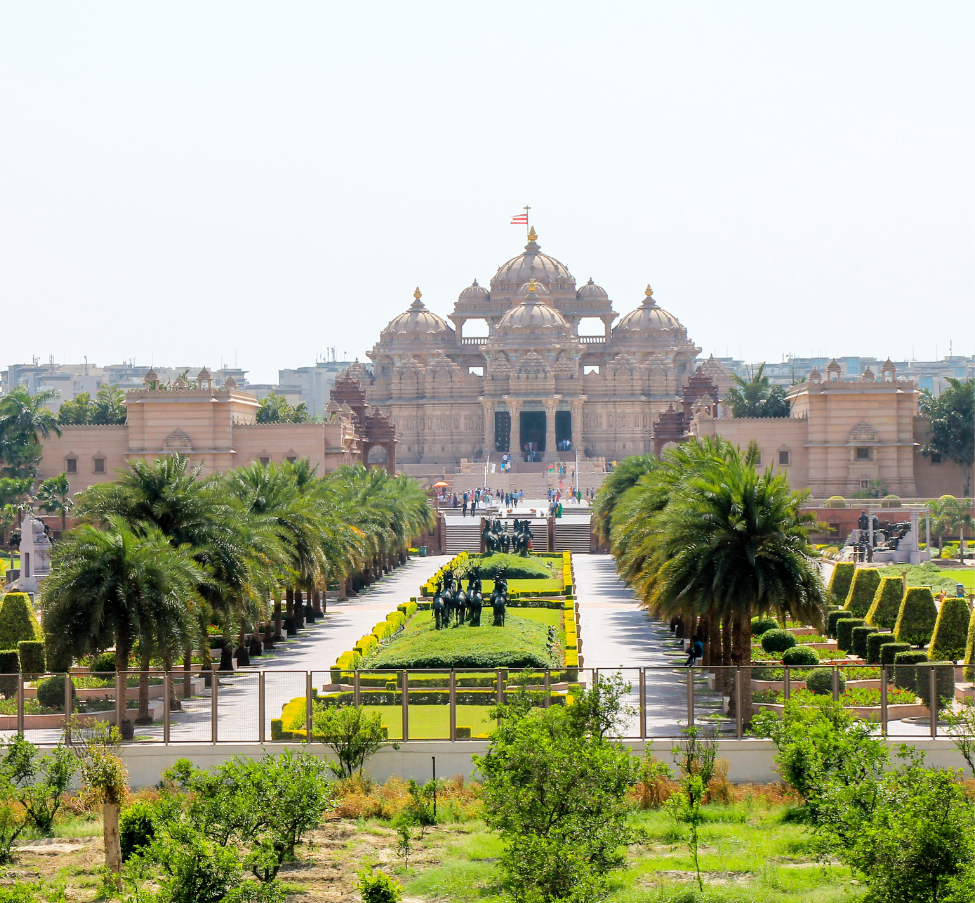
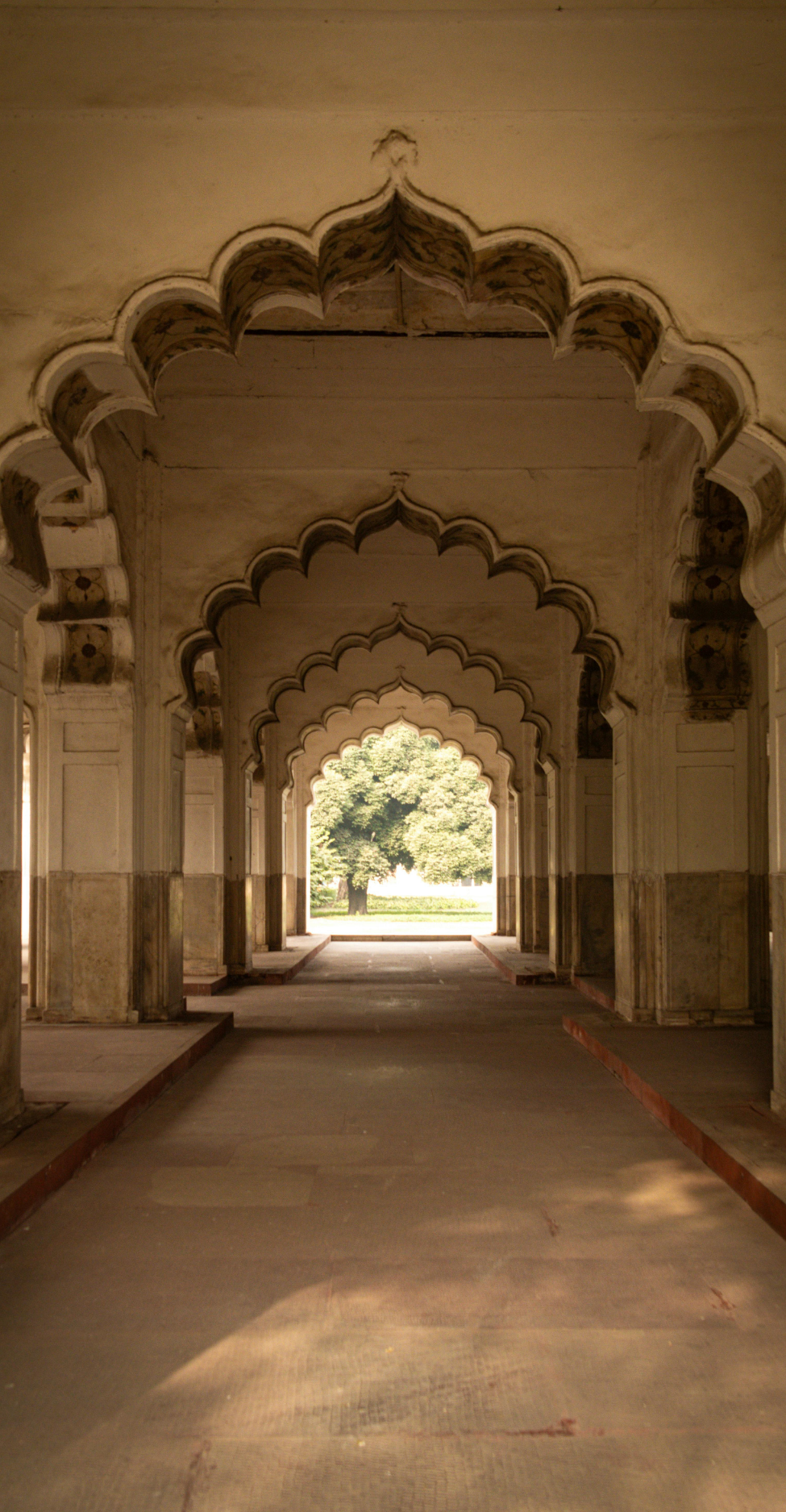
Delhi is the capital city of India and a historic metropolis that represents the country’s rich heritage, political importance, cultural diversity, and rapid modern development, making it one of the most influential cities in the nation.
SHIRDI
Overview
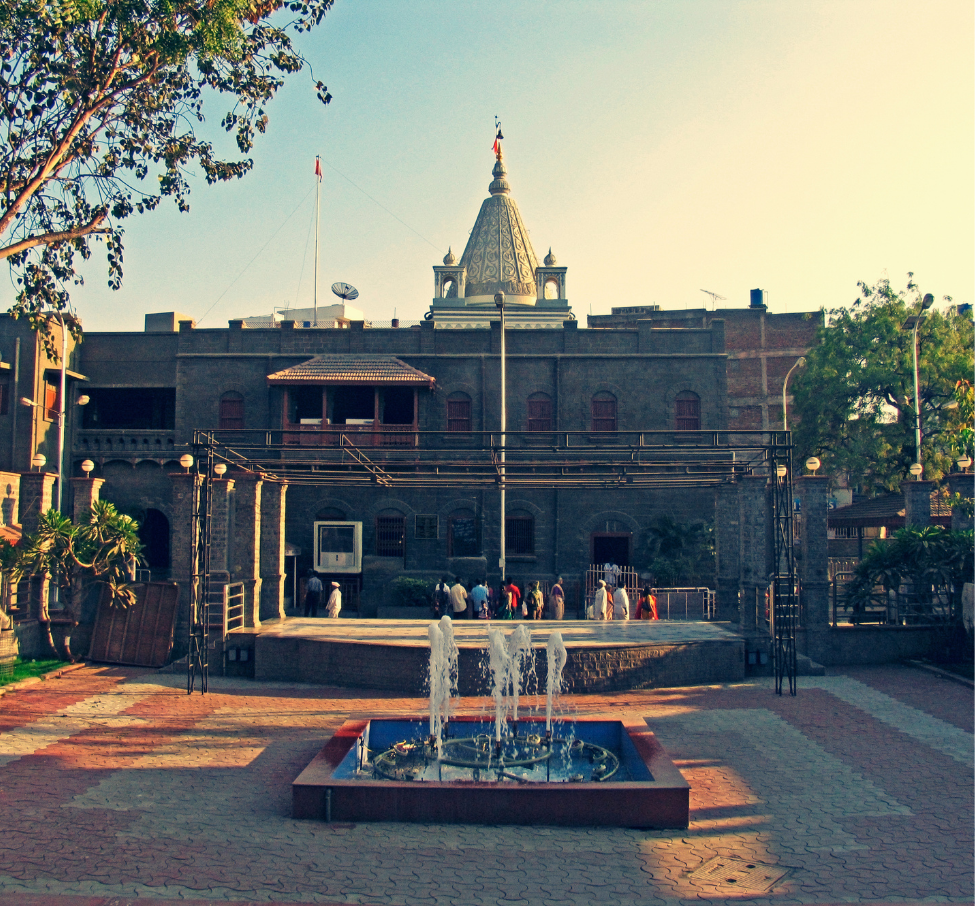
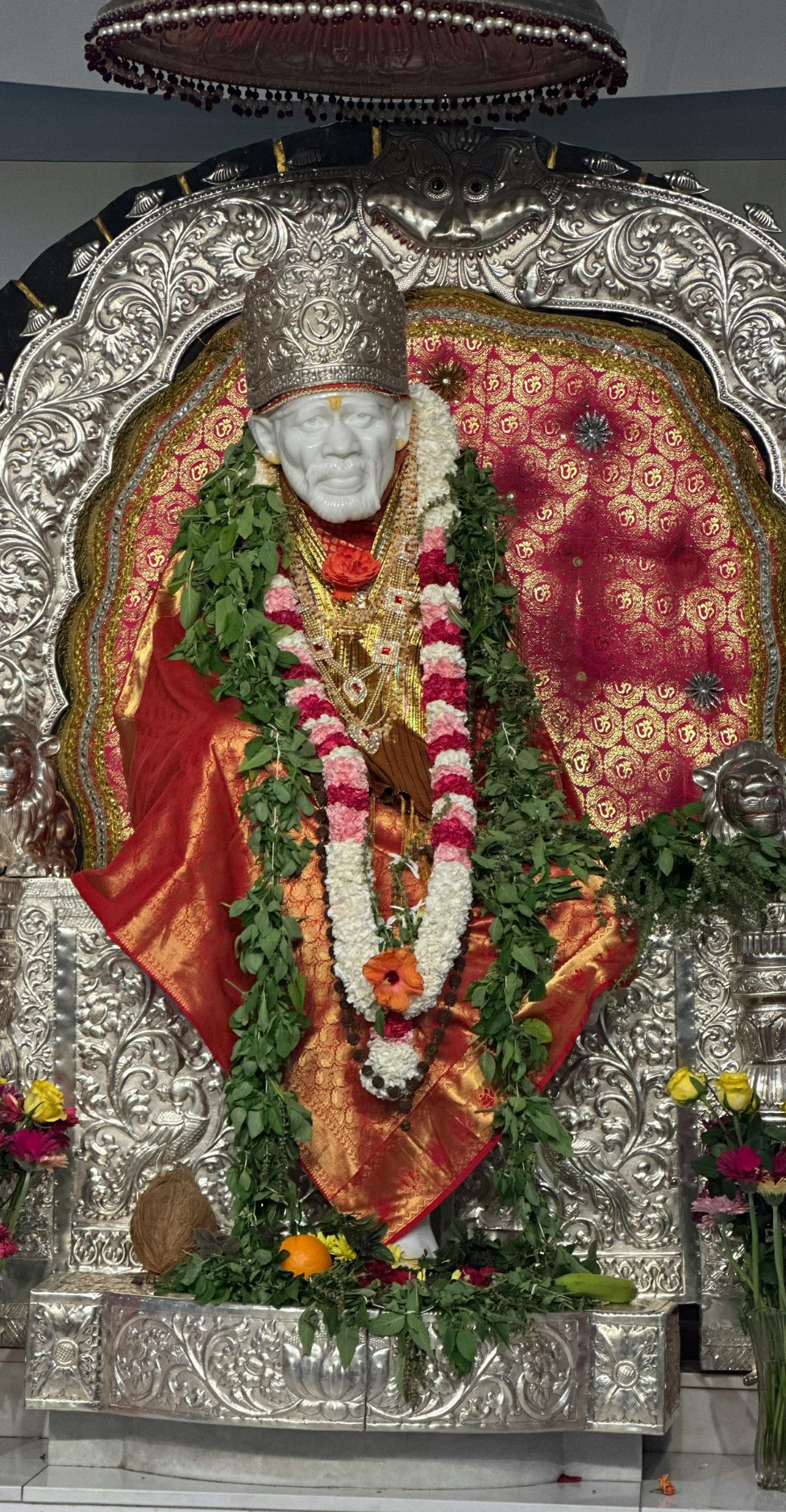
Shirdi is a small town located in the state of Maharashtra, India. It is renowned as the home of the spiritual leader Sai Baba, who is revered by millions of devotees worldwide. The town is one of the most visited pilgrimage destinations in India, attracting people of all religions due to Sai Baba's teachings of love, compassion, and unity.
Top Highlights
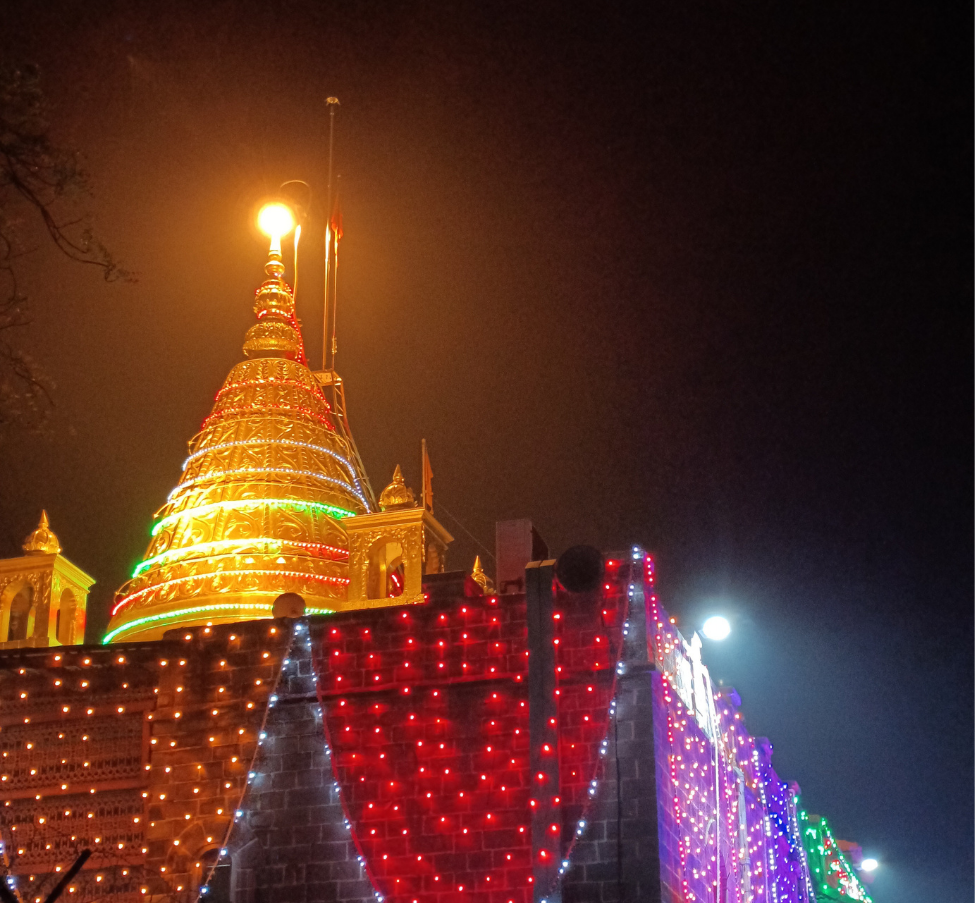
Shirdi holds cultural significance with its religious festivals such as Guru Purnima and Sai Baba’s death anniversary Punyatithi.Devotees come from all over the world to visit the Sai Baba Samadhi, where Sai Baba's tomb is located.Shirdi also has a vibrant marketplace, where visitors can find various religious souvenirs, books, and offerings.
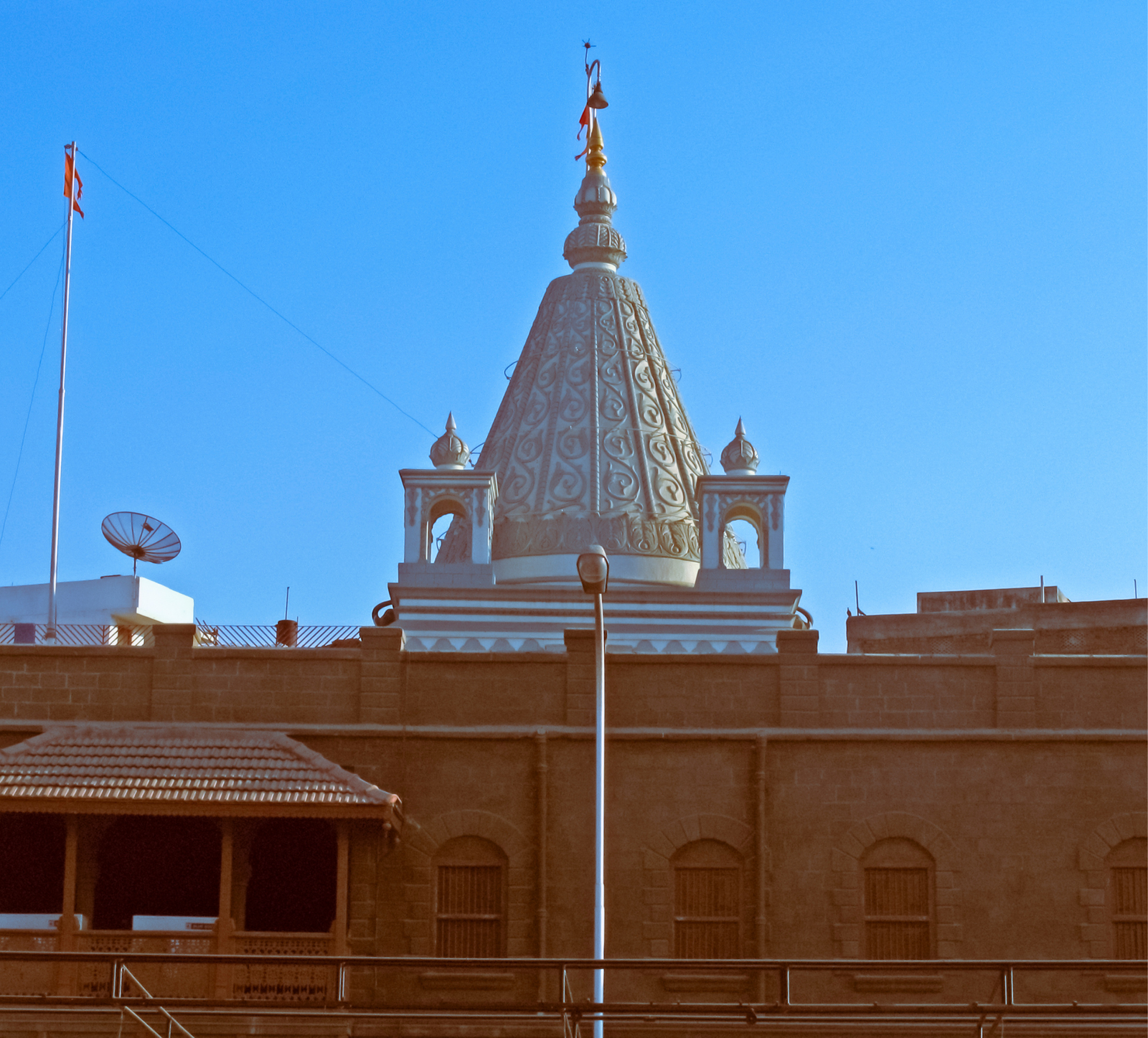
- Shirdi Sai Baba Temple – The central shrine that houses Sai Baba's Samadhi.
- Dwarkamai – A mosque where Sai Baba lived and performed many miracles.
- Chavadi – A place where Sai Baba spent alternate nights.
- Sai Baba Museum – A museum showcasing artifacts related to Sai Baba’s life.
- Lendi Bagh – A garden where Sai Baba spent time meditating.
Gallery
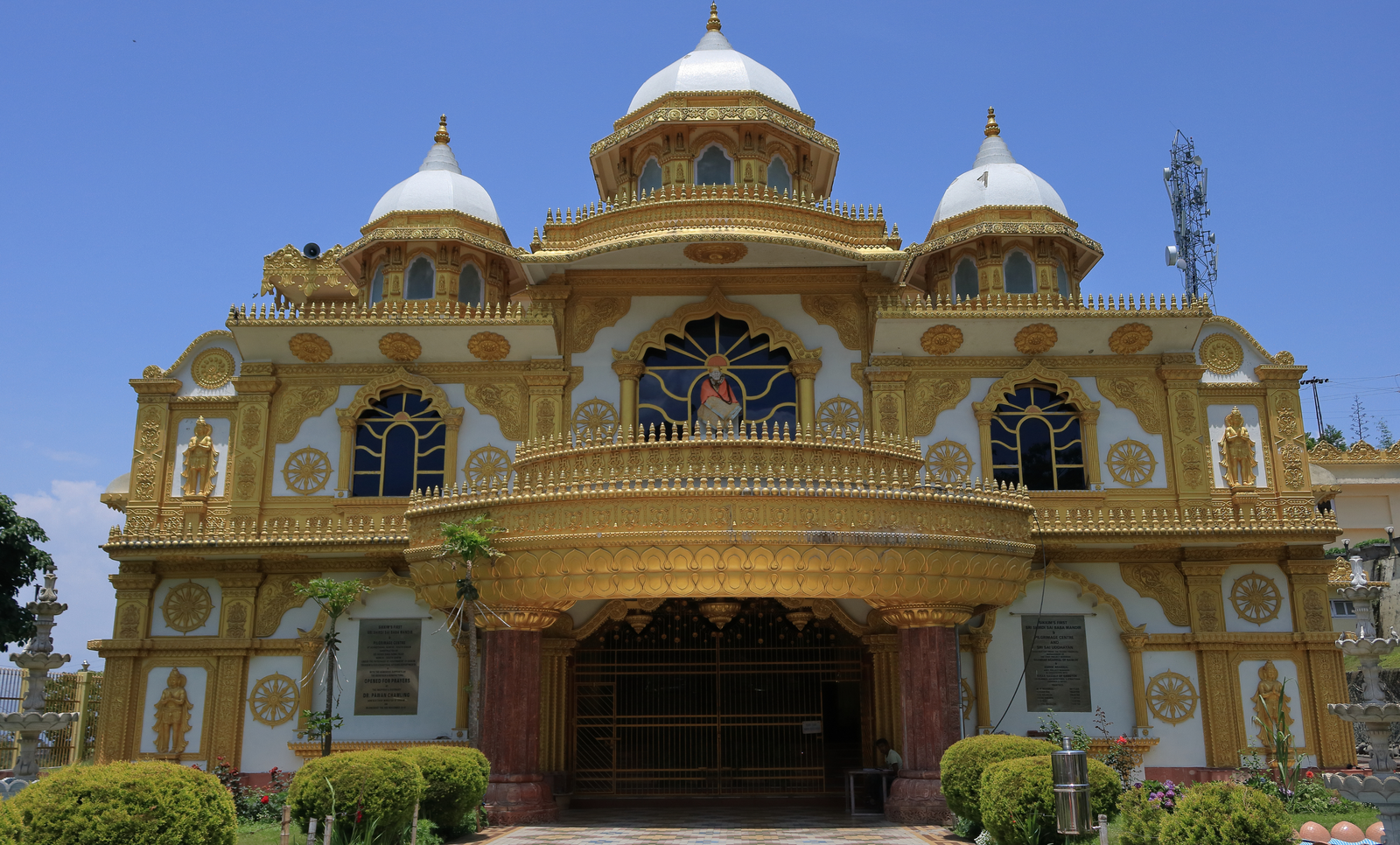
Shirdi, a town in Maharashtra, is not just a pilgrimage site but a symbol of spiritual harmony. Revered for its association with Sai Baba, the town attracts millions of followers worldwide who seek peace, healing, and enlightenment. Sai Baba’s teachings of selflessness, faith, and service continue to inspire people across different religions, making Shirdi a place of universal devotion and tranquility.
ODISHA
Overview
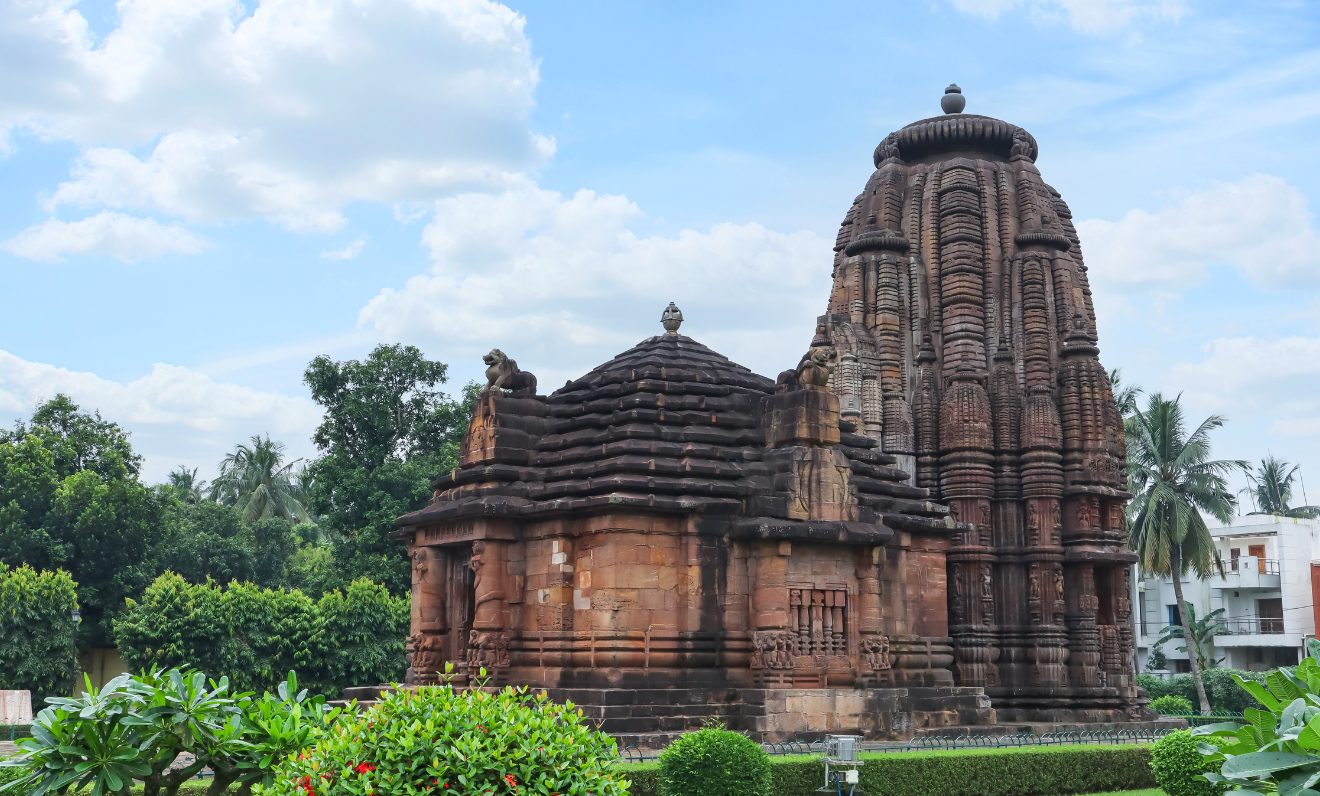
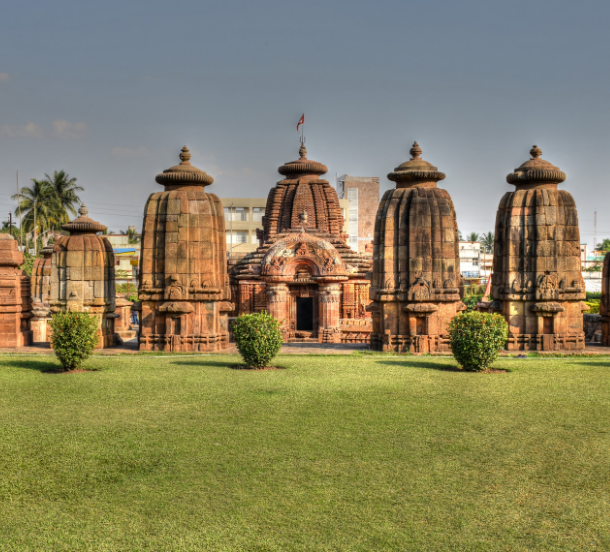
Odisha is one of the important tourist states in India, known for its rich history, culture, and natural beauty. The state is famous for its ancient temples that reflect excellent architectural skills. Odisha has a long coastline with clean and peaceful beaches that attract many visitors. It is also well known for its lakes, rivers, and green landscapes that support eco-tourism. Wildlife sanctuaries and national parks make Odisha a good place for nature lovers. The traditional festivals, music, and classical Odissi dance highlight the cultural richness of the state. Overall, Odisha tourism offers a perfect mix of spirituality, culture, and natural attractions.
Top Highlights
Odisha is a popular tourist destination that showcases India’s ancient heritage and traditions. The state is well known for its historical monuments that tell stories of past civilizations. Odisha’s art and handicrafts attract tourists who are interested in culture and creativity. The calm environment and natural surroundings make the state ideal for peaceful travel. Local food and traditional lifestyle give visitors a unique and memorable experience. Tourism in Odisha also supports local communities and preserves traditional values. Thus, Odisha stands out as a state that offers meaningful and enriching tourism experiences.
- Luxury hotels and heritage resorts in Odisha increase the overall travel cost
- Entry fees for monuments, museums, and wildlife parks add to tourist expenses
- Guided tours and cultural programs charge higher fees for premium experiences
- Handicrafts, traditional art items, and souvenirs are often expensive for tourists
- Food in high-end restaurants and beach resorts is priced higher than local eateries
Gallery
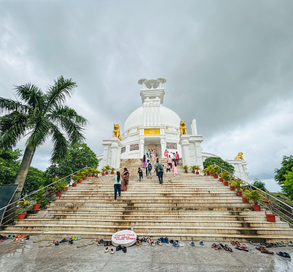
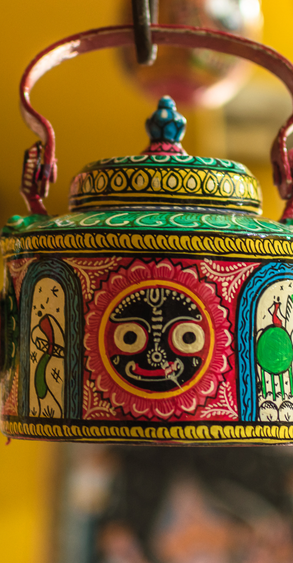
Odisha is one of India’s most diverse and culturally rich tourist destinations. The state is famous for its ancient temples, especially the Sun Temple at Konark and the Jagannath Temple at Puri, which attract pilgrims and tourists from across the world. Odisha’s long coastline offers scenic beaches like Puri and Chandipur, providing peaceful and refreshing experiences for travelers. The state is also blessed with natural attractions such as waterfalls, hills, forests, and wildlife sanctuaries that appeal to nature lovers. Traditional dance forms, tribal culture, handicrafts, and local cuisine add uniqueness to the travel experience. With a perfect blend of spirituality, history, nature, and culture, Odisha is an ideal destination for memorable travel experiences.

KASI
Overview
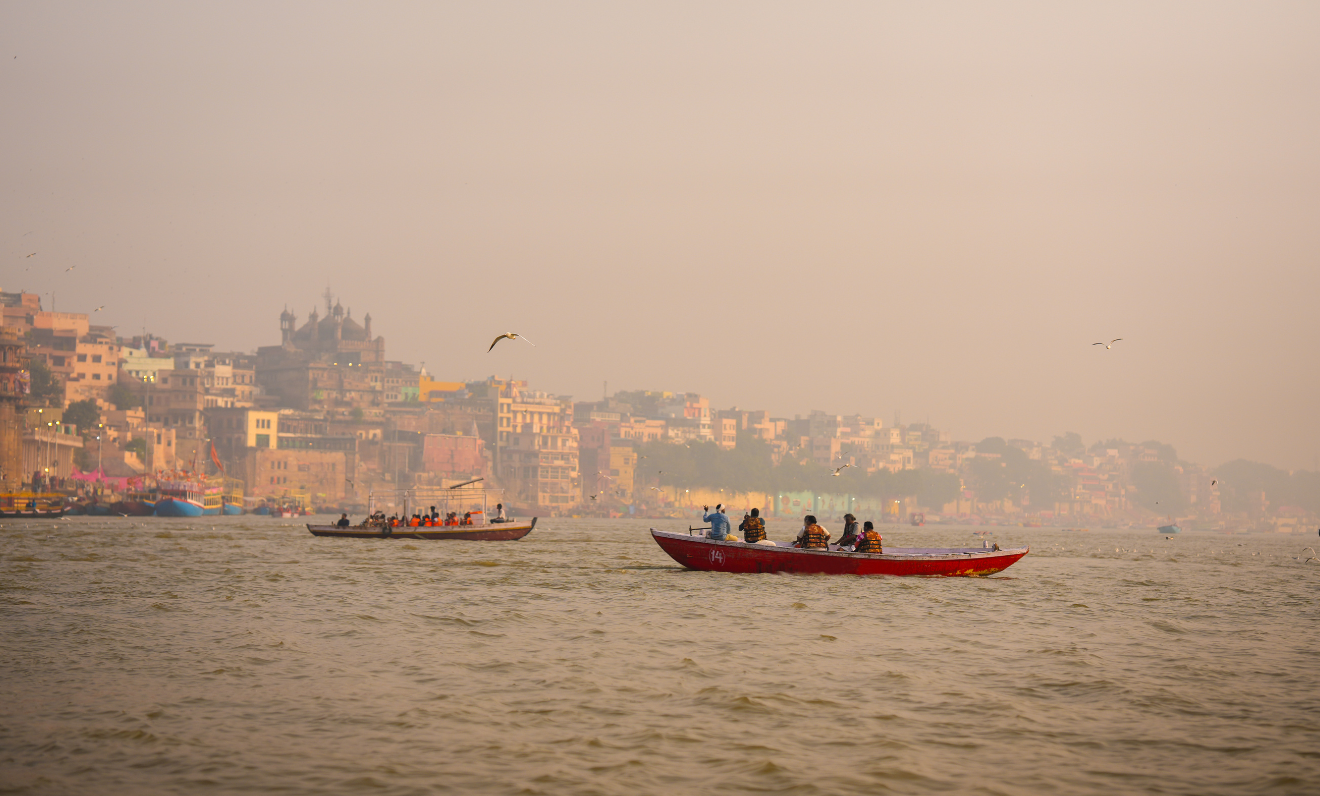
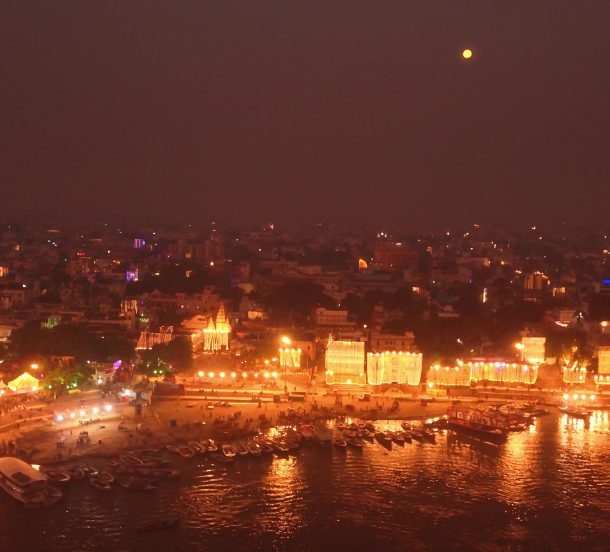
Kasi, also called Varanasi, is one of the most important tourist and pilgrimage centers in India. The city is famous for its deep spiritual significance and ancient traditions. The River Ganga plays a major role in the life of the city, and people believe that bathing in the river washes away sins. Many ghats along the river are used for rituals, prayers, and cultural activities. The temples of Kasi, especially those dedicated to Lord Shiva, reflect the rich religious heritage of the city. Sarnath adds historical value to Kasi as it is an important Buddhist site visited by tourists. Overall, Kasi offers a peaceful spiritual experience along with historical and cultural richness.
Top Highlights
Kasi is considered an expensive tourist place, especially during festival seasons and auspicious days. Many pilgrims and tourists visit the city for religious rituals, temple visits, and spiritual ceremonies, which increases the overall cost of travel. Accommodation near temples and ghats is often costly due to high demand. Religious rituals, poojas, and special darshan in famous temples require extra payment. Boat rides on the River Ganga, guided tours, and cultural programs also add to tourist expenses. During festivals like Maha Shivaratri and Dev Deepawali, prices for hotels, food, and transport increase significantly. Therefore, tourism in Kasi can become expensive for visitors, particularly during peak seasons.
- Kashi Vishwanath Temple is the most important religious place, dedicated to Lord Shiva and visited by millions of devotees.
- Dashashwamedh Ghat is famous for the grand Ganga Aarti held every evening on the banks of the River Ganga.
- Manikarnika Ghat is a sacred place where people believe salvation can be attained
- Assi Ghat is a peaceful place popular among tourists for morning prayers and river views.
- Banaras Hindu University campus is known for its large area, museum, and beautiful environment.
Gallery
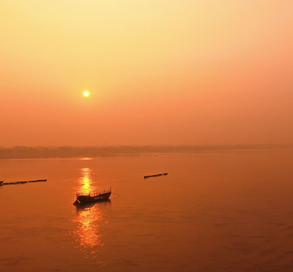
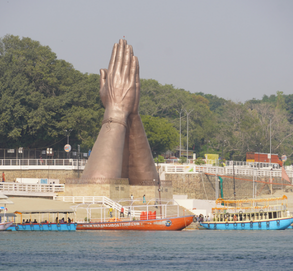
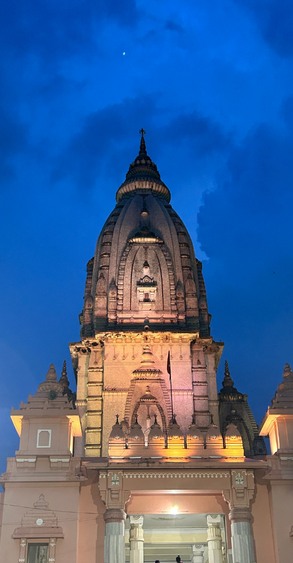
Kasi, also known as Varanasi, is a unique travel destination that attracts visitors seeking spiritual peace and cultural richness. The city is world-famous for its sacred ghats, ancient temples, and traditional way of life. Travelers enjoy early morning boat rides on the River Ganga, which offer beautiful views of rituals and daily life along the riverbanks. The evening Ganga Aarti creates a magical atmosphere that leaves a lasting impression on visitors. Narrow streets filled with temples, local markets, and traditional food give travelers an authentic cultural experience. With its timeless charm and spiritual energy, Kasi remains one of the most memorable travel destinations in India.
GUJARAT
Overview
Gujarat is an important tourist state in western India, known for its rich culture, history, and diverse landscapes. The state is famous for historical monuments, temples, and architectural heritage. Gujarat has unique natural attractions such as deserts, hills, and long coastlines. It is also well known for wildlife tourism, especially the Asiatic lions of Gir Forest. Traditional festivals, handicrafts, and folk dances add cultural value to Gujarat tourism. Pilgrimage centers attract a large number of domestic and international visitors. Overall, Gujarat tourism offers a meaningful mix of culture, nature, and heritage.Top Highlights
Gujarat is a well-developed tourist destination that highlights India’s ancient civilization and modern progress. The state has many historical sites that show the influence of different dynasties and cultures. Coastal areas and scenic landscapes make Gujarat attractive for leisure tourism. The state promotes eco-tourism and heritage tourism through well-maintained tourist facilities. Local cuisine and traditional lifestyle give visitors a unique cultural experience. Tourism in Gujarat also supports local artisans and small businesses. Thus, Gujarat stands as a state that offers safe, organized, and culturally rich travel experiences.
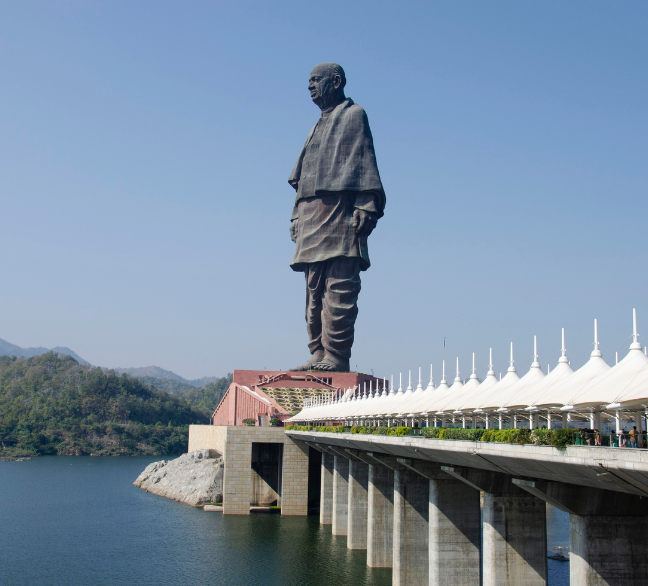
- Statue of Unity, the world’s tallest statue and a major attraction
- Gir National Park, famous for the Asiatic lions
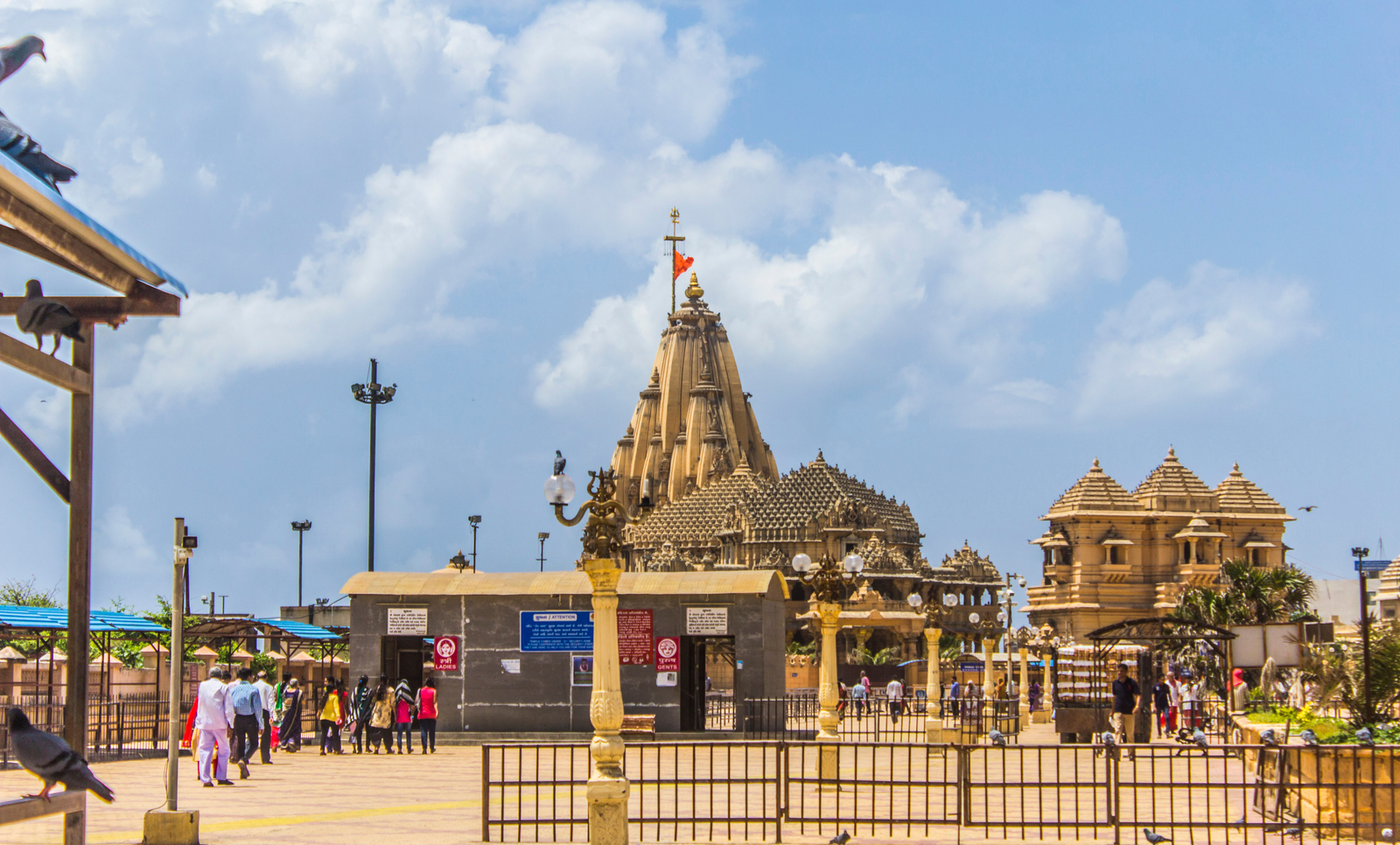
- Somnath Temple, an important religious and historical site
- Dwarka, a holy city associated with Lord Krishna
- Ahmedabad, famous for Sabarmati Ashram and heritage sites
Gallery
Gujarat tourism provides a wide variety of experiences for travelers with different interests. The state is known for its well-preserved heritage sites and planned tourist facilities. Pilgrimage tourism plays a major role in attracting visitors throughout the year. Natural attractions such as deserts, forests, and hill regions add diversity to tourism. Cultural festivals and local traditions make travel more colorful and enjoyable. Safe travel conditions and good infrastructure support tourism development. Overall, Gujarat stands out as a balanced tourist destination with culture, nature, and history.
RAJASTHAN
Overview
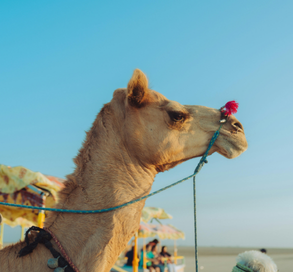
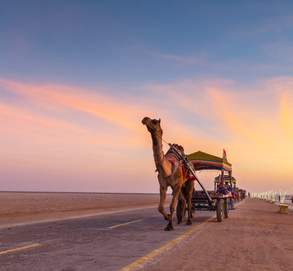
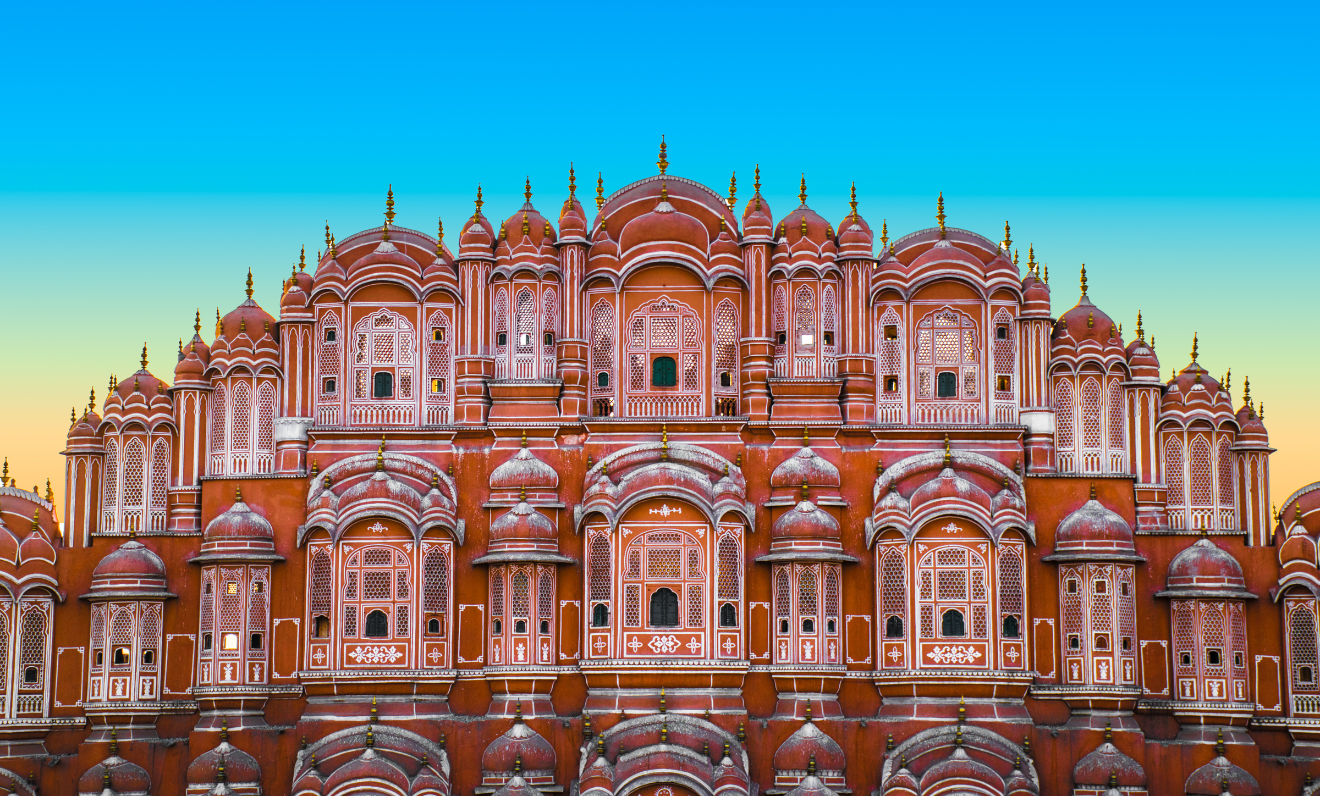
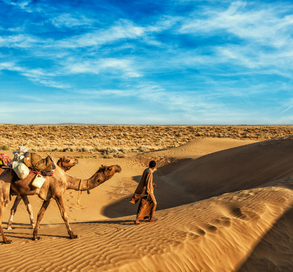
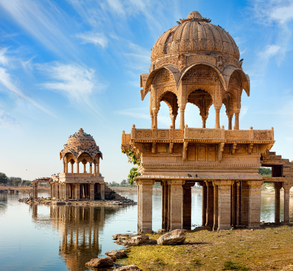
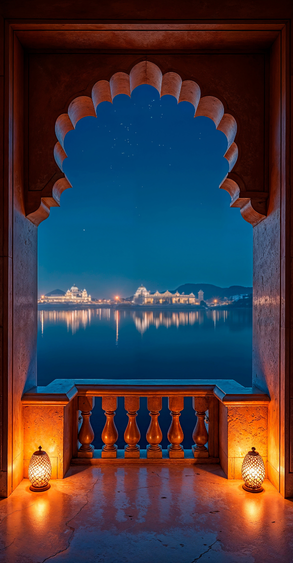
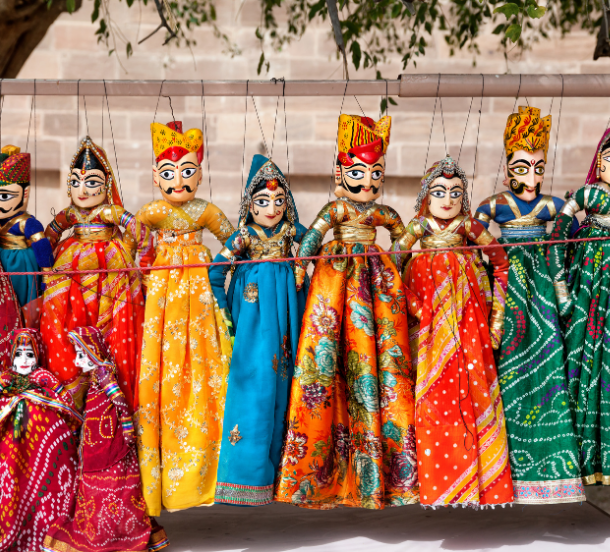
Rajasthan is one of the most popular tourist states in India, famous for its royal history and rich cultural heritage. The state is known for grand palaces, forts, and havelis that reflect the lifestyle of Rajput kings. Deserts, sand dunes, and camel safaris make Rajasthan unique among Indian tourist destinations. Colorful festivals, folk music, and traditional dances attract visitors from all over the world. Rajasthan also offers wildlife tourism through national parks and bird sanctuaries. Traditional handicrafts, jewelry, and local cuisine add charm to the tourist experience. Overall, Rajasthan tourism showcases a perfect blend of history, culture, and desert beauty.Top Highlights
Rajasthan is a culturally rich state that represents the royal past of India through its monuments and traditions. The forts and palaces of Rajasthan display excellent architecture and historical importance. The desert landscape gives tourists a unique experience with safaris and village life. Traditional lifestyle, costumes, and hospitality make visitors feel welcomed. Religious places and fairs attract a large number of pilgrims and tourists. Tourism plays an important role in the economic development of the state. Thus, Rajasthan remains one of the most attractive tourist destinations in India.
- Jaipur – famous for palaces, forts, and the Pink City heritage
- Udaipur – known as the City of Lakes and romantic palace
- Jaisalmer – popular for desert safari and Golden Fort
- Ranthambore – known for tiger reserve and wildlife tourism
- Ajmer – well known for Ajmer Sharif Dargah
Gallery
Rajasthan tourism is considered expensive mainly because of luxury heritage hotels and palace accommodations. Desert safaris, cultural programs, and guided tours add extra cost to travel. Entry fees for forts, museums, and wildlife sanctuaries increase tourist expenses. During peak seasons, prices of hotels, food, and transport rise significantly. Shopping for traditional jewelry, handicrafts, and souvenirs is also costly. Travel between distant tourist cities requires more spending on transport. Therefore, Rajasthan tourism often requires a higher budget compared to many other states.
LEH-LADAKH
Overview
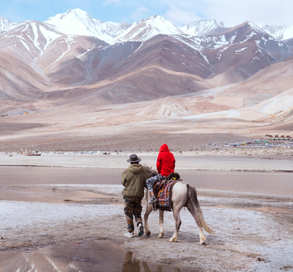
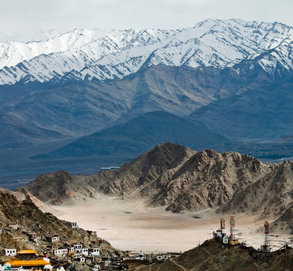
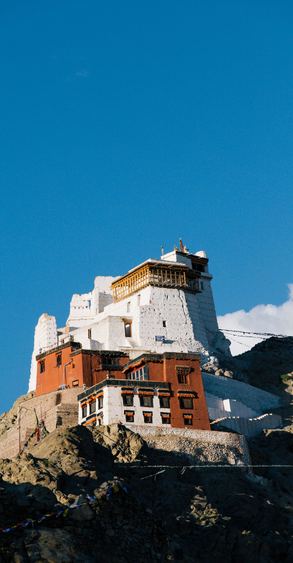
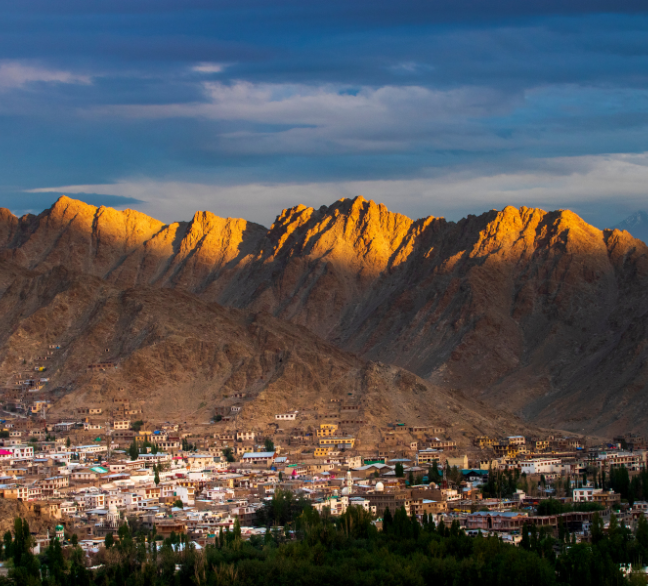
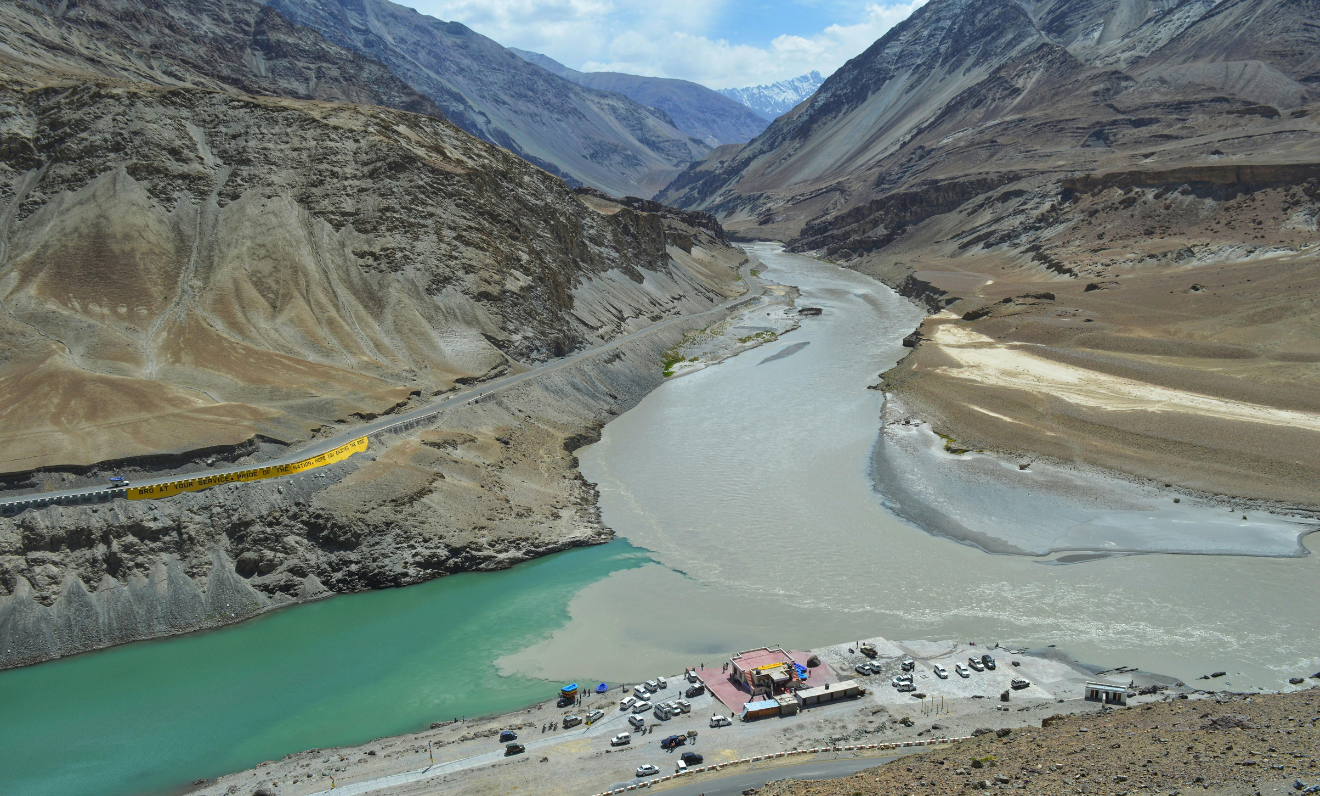
Leh-Ladakh is a high-altitude tourist region in northern India, famous for its breathtaking landscapes and natural beauty. The region is known for snow-covered mountains, deep valleys, and clear blue skies. Leh-Ladakh attracts adventure tourists with activities like trekking, biking, and river rafting. Ancient monasteries reflect the strong influence of Buddhist culture and traditions. The cold desert climate and unique geography make the region different from other tourist places. Tourism in Leh-Ladakh is seasonal due to extreme weather conditions. Overall, Leh-Ladakh offers a peaceful and adventurous travel experience close to nature.Top Highlights
Leh-Ladakh is one of India’s most unique tourist destinations, located in the Himalayan region. The area is famous for its dramatic landscapes, mountain passes, and scenic lakes. Tourists visit Leh-Ladakh to experience its calm environment and natural silence. The region has a rich cultural heritage influenced by Tibetan Buddhism. Traditional villages and local lifestyles attract travelers seeking authentic experiences. Road trips to Leh-Ladakh are popular for their adventurous and scenic routes. In conclusion, Leh-Ladakh tourism offers a rare combination of nature, culture, and adventure.
- Leh-Ladakh is a high-altitude tourist region known for mountains and cold desert climate
- The region attracts tourists for its scenic landscapes and peaceful environment
- Adventure activities like trekking, biking, and river rafting are popular
- Buddhist monasteries reflect the cultural and religious importance of the area
- Leh-Ladakh offers a unique blend of nature, culture, and adventure
Gallery
Leh-Ladakh is a famous tourist region known for its high-altitude mountains and cold desert landscape. The area attracts tourists with its natural beauty, peaceful environment, and clean surroundings. Adventure tourism such as trekking, biking, and camping is very popular in this region. Leh-Ladakh has strong Buddhist cultural influence seen in its monasteries and festivals. Tourism is mainly seasonal because of extreme winter climate. The region offers a unique lifestyle and traditional village culture to visitors. Overall, Leh-Ladakh tourism gives a memorable experience of nature, culture, and adventure..